-

Why Is Cruise Control Not Working? (Causes, Fixes & Tips)
Cruise control has evolved from a comfort feature into a core vehicle system found in nearly every modern car. When it stops working, the cause can range from a simple electrical fault to a deeper issue tied to advanced driver-assistance systems (ADAS). Understanding why cruise control fails requires knowing how the system operates and how…
-

Level 5 ADAS and Self Driving: Car Autonomy Explained
If you have been active in the advanced driver-assistance systems (ADAS) or automotive space, you’ve likely heard about Level 5 ADAS or Level 5 Autonomy. But what is it actually, and how will it impact the auto industry? In this post, we’ll break down Level 5, showing how it fits into the broader Society of…
-

Why Is the ABS Warning Light On? Understanding Causes, Safety Risks, and Fixes
The ABS (Anti-lock Braking System) is designed to prevent the car’s wheels from locking up during hard braking to maintain steering control in an emergency. When the ABS light comes on, it’s the vehicle’s way of indicating that the system isn’t functioning properly. While the regular brakes will still function, a driver could lose the…
-

Why Is the Airbag Light On? Understanding Causes & Fixes for Drivers
The airbag light is the warning light for your vehicle’s supplemental restraint system (SRS), and it monitors the health of the entire restraint ecosystem. That includes the front and side airbags, curtain airbags, seat belt pretensioners, crash sensors, wiring, connectors, and the SRS control module itself. When any component reports a fault, the system stores…
-
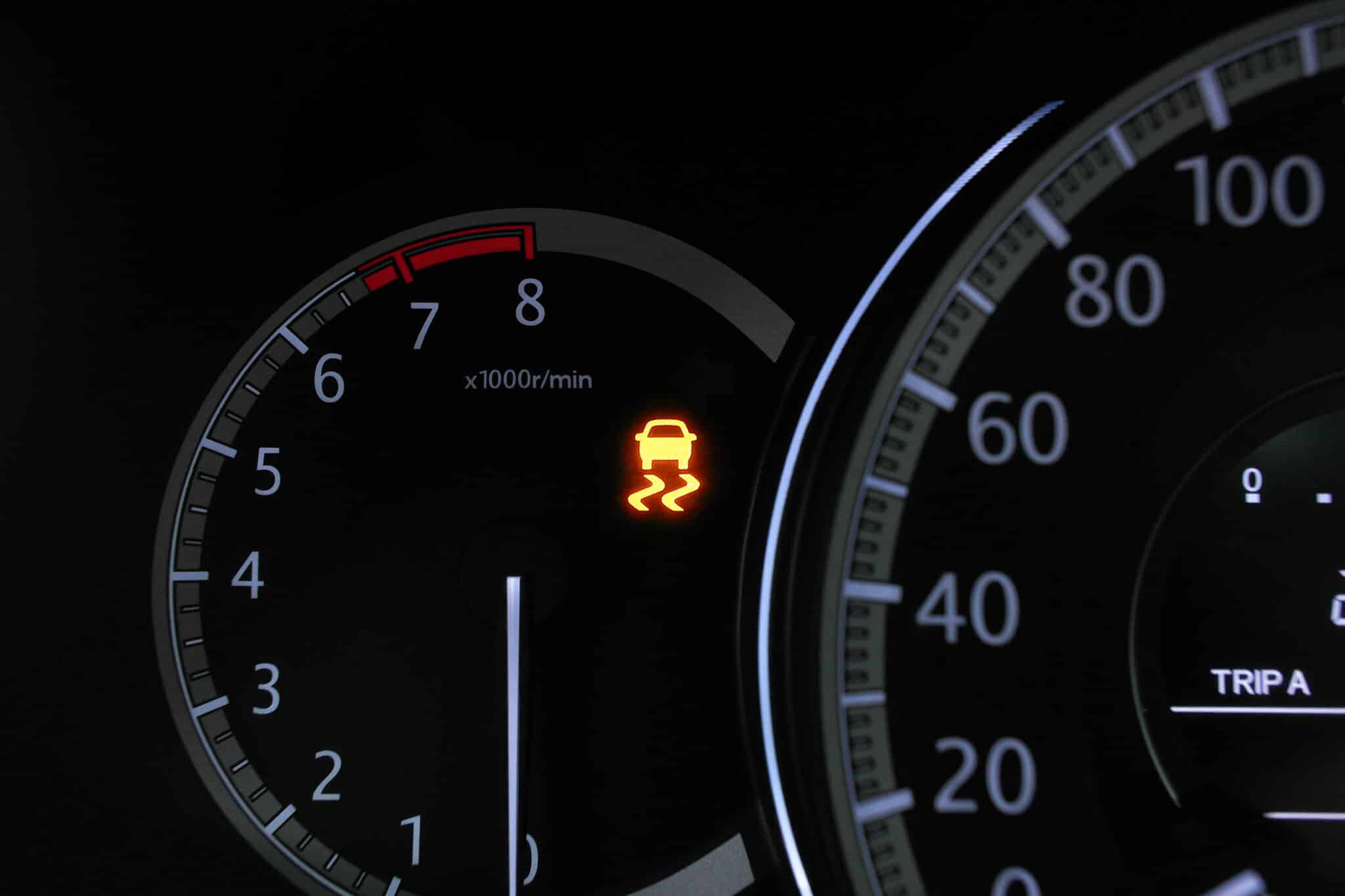
Why Is the Traction Control Light On? A Guide for Drivers
The traction control system (TCS) is one of those behind-the-scenes safety features that drivers rarely think about until the light comes on. And when it does, it can feel unsettling if they don’t know what it means. Sometimes it’s just the system doing its job on a slick road. Other times, it can signal an…
-

What is Level 4 ADAS? Autonomous Cars
If you’re already familiar with advanced driver-assistance systems (ADAS), you know how quickly this technology is advancing. Features that were once considered cutting-edge, like lane-keeping assist and adaptive cruise control, are now standard in many vehicles. But the industry is moving fast, and the conversation has shifted to Level 4 ADAS, a stage that brings…
-

What is Level 3 ADAS? Understanding ADAS Level 3
While many repair professionals are now familiar with Level 1 and Level 2 systems that assist with tasks like steering or speed control, Level 3 advanced driver-assistance systems (ADAS) introduces a significant shift in responsibility and complexity. At this level, the vehicle is capable of fully controlling the driving task in specific conditions. This evolution…
-

What is Level 1 ADAS? An Overview
While many in the industry are generally aware of advanced driver-assistance systems (ADAS), fewer understand the specific differences between the levels of automation, starting with Level 1. So, what exactly is Level 1 ADAS? How does it function, which features does it include, and why do they need to be calibrated? This blog post provides…
-

What is ESC in a Car? ADAS Functionality
Electronic Stability Control (ESC) is one of those technologies that’s quietly changed driving for the better. You won’t find it talked about as much as self-driving systems or flashy infotainment, but it plays a foundational role in keeping modern vehicles safe and responsive. Whether a driver is navigating challenging weather, making a sharp avoidance maneuver, or…
-

What is Level 2 ADAS? Understanding the Next Step in Driving Assistance
If you’ve been around the automotive world long enough, you’ve probably heard a lot about advanced driver-assistance systems (ADAS). As this technology continues to evolve, so does the need to understand it in greater detail. One of the most important distinctions to grasp is the difference between the various ADAS levels, especially Level 2. Level…


