-

Curve Speed Warning: Understanding ADAS
Driving along winding roads can be thrilling, but it also poses large risks. Think about the last time you took a sharp turn and felt the car sway unexpectedly – it’s a clear reminder of the importance of controlling speed. Luckily, with the advancement of technology, cars are now equipped with Advanced Driver Assistance Systems…
-

Rear Collision Warning: ADAS Features Explained
As roadways become busier and distractions multiply, advanced driver-assistance systems (ADAS) are a tool that can help drivers stay safe on the road. One of these features, the rear collision warning, uses sensors and cameras to monitor the area behind a vehicle for potential collisions. Curious about how a rear collision warning system works and…
-
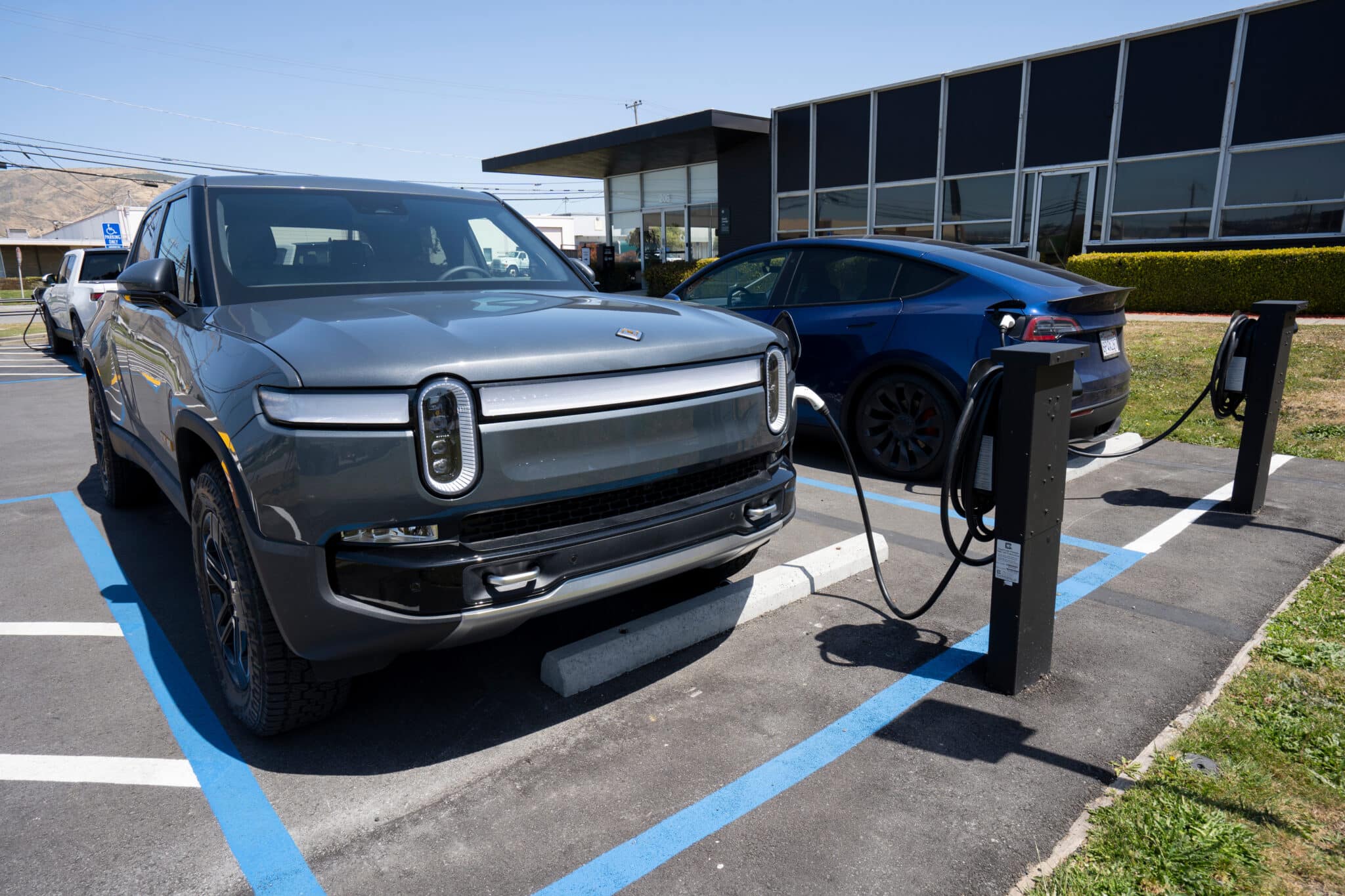
Rivian vs. Tesla – Which Has Better ADAS Features?
The electric vehicle (EV) market is evolving at a breakneck pace, with Rivian and Tesla emerging as frontrunners in the race. Both companies are known for their innovative approaches and cutting-edge features, especially their advanced driver-assistance systems (ADAS). These systems are designed to improve driving safety and convenience, making them a deciding factor for consumers…
-

Tesla Vision: Tesla Self-Driving ADAS Features
As automotive technology continues to evolve, Tesla has remained at the forefront of innovation. One of its most notable advancements is the introduction of Tesla Vision, the company’s camera-based road monitoring system. What was once a futuristic concept has now become an important part in Tesla’s approach to autonomous driving. A decade ago, technology like…
-
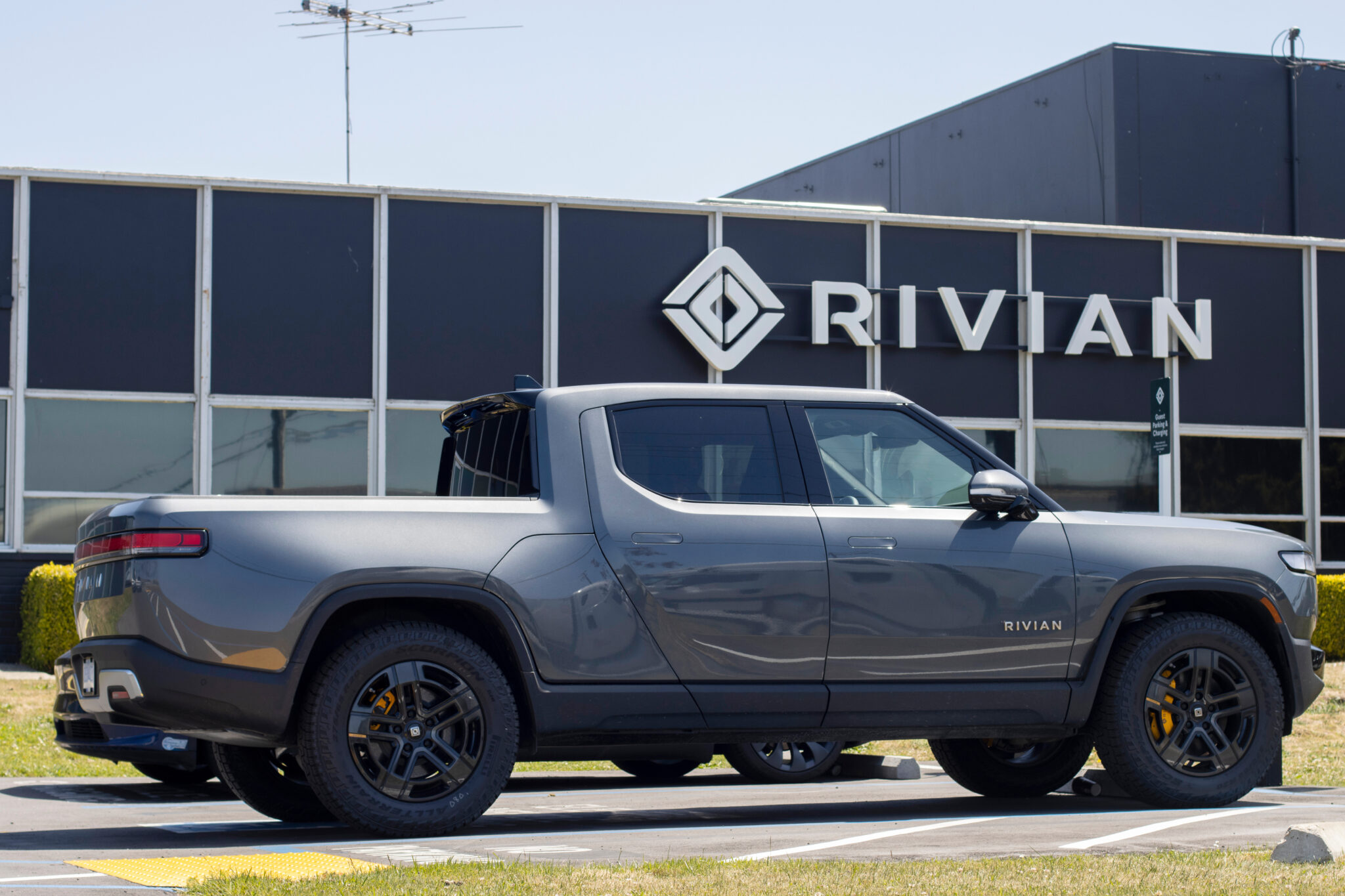
Rivian Self Driving – Rivian Driver+ ADAS Features
As the automotive world shifts toward electric vehicles, Rivian continues to make headlines—not just for its adventure-ready electric trucks and SUVs, but also for its forward-thinking approach to autonomous driving. One of the standout innovations is Driver+, Rivian’s own Advanced Driver Assistance System (ADAS), designed to make every trip safer, easier, and more enjoyable. Driver+…
-
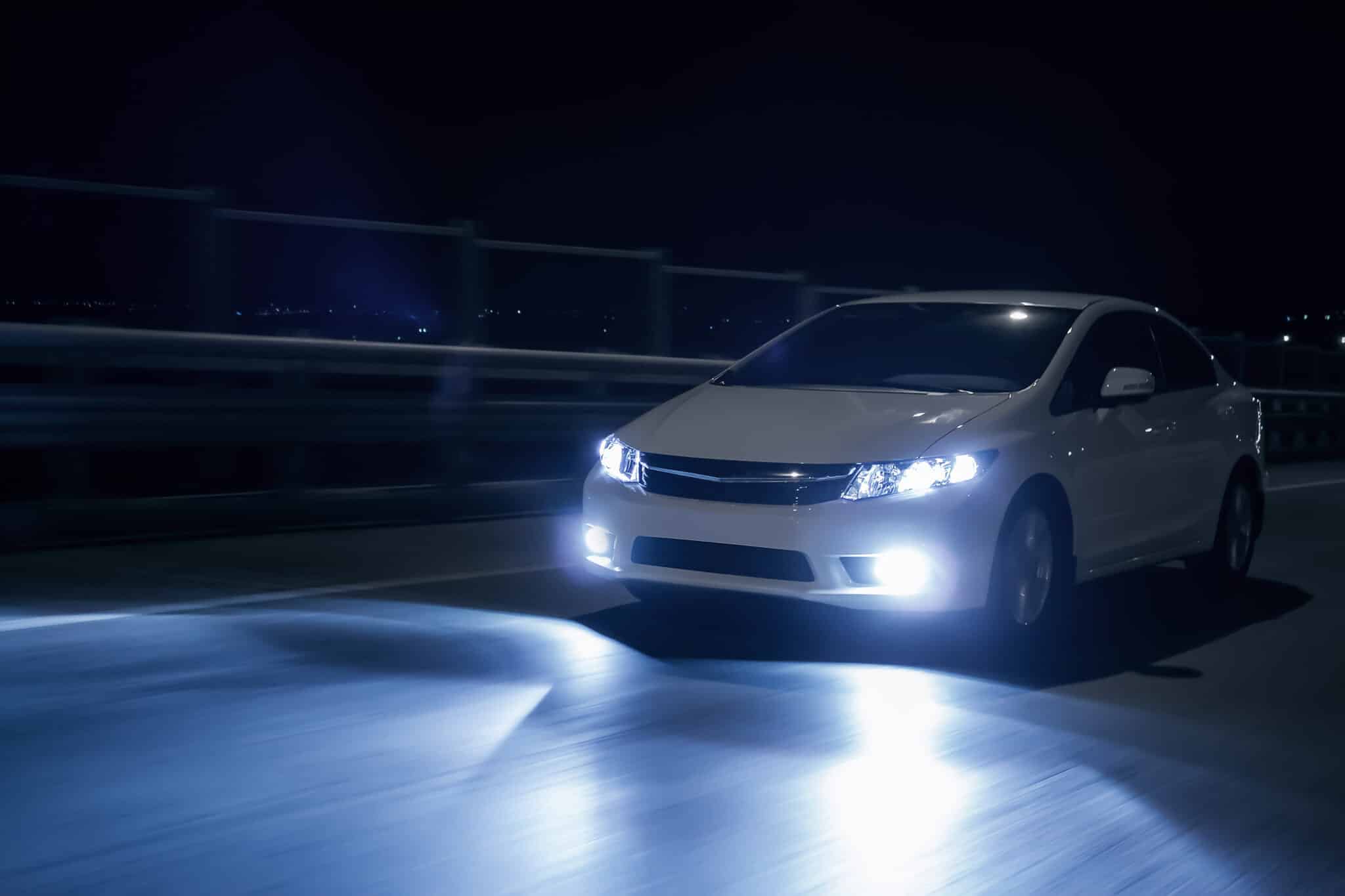
What Are Automatic High Beams and How Do They Work?
Nighttime driving often means juggling high and low beams to maintain visibility without blinding other drivers, especially on dark or winding roads. To solve this problem, modern vehicles now use automatic high beams to manage headlight adjustments for you. Automatic high beam systems detect surrounding traffic and lighting conditions, switching between high and low beams…
-
Understanding ADAS: Automatic Emergency Steering
Automatic Emergency Steering (AES) is an advanced driver assistance system (ADAS) designed to improve vehicle safety by providing additional steering support in emergency situations. Think of a time you were driving on the highway and suddenly had to swerve to avoid an object on the road or when a car abruptly cut in front of…
-

Understanding ADAS: Automatic Crash Notification Systems
Imagine the moments following a car crash, where you and your passengers may be injured or unable to call for help. In this unfortunate situation, the use of an Automatic Crash Notification (ACN) system can be a lifesaver. These systems are designed to automatically detect when a crash occurs and send an alert to emergency…
-
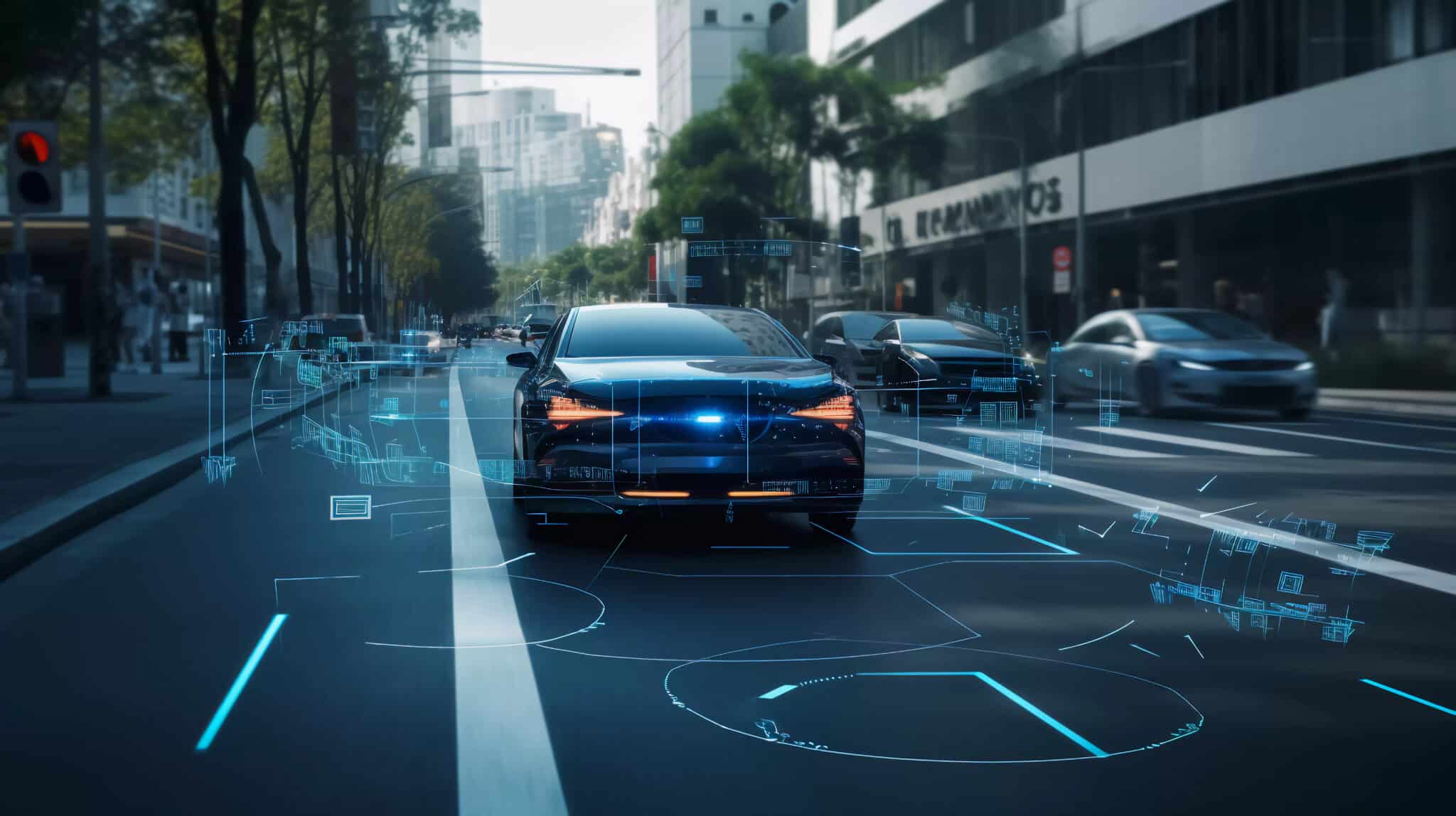
Front Radar Sensors and Their Role in Advanced Driver Assistance Systems (ADAS)
A front radar sensor is a compact device mounted behind the grille or in the lower front fascia of a vehicle that uses radio waves to detect objects ahead and monitor the road in front of you. It’s one of the components that quietly powers modern advanced driver assistance systems (ADAS), and it has changed…
-

Rear Radar Sensors: Why Calibration is Essential
If you are a car enthusiast or just someone who loves to drive, chances are you have heard of rear radar sensors. These sensors have become increasingly popular in modern vehicles, and for good reason. They provide an additional layer of safety by detecting objects behind the car that may not be visible through mirrors…


