
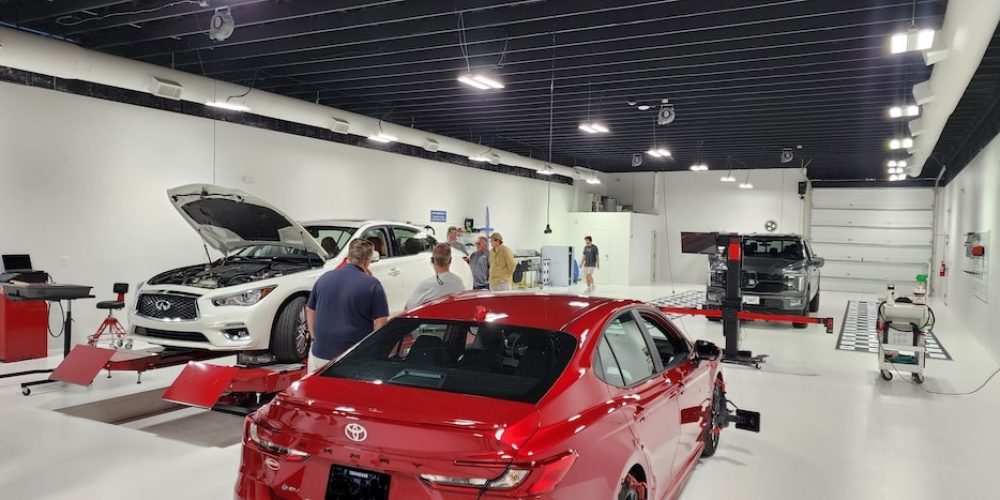
Static calibration is one of the most important concepts to understand in the ADAS repair and calibration world, yet many people still are not fully clear on what it involves. In simple terms, static calibration is the process of calibrating certain ADAS cameras and sensors while the vehicle remains stationary, using specialized equipment, targets, measurements, and OEM procedures. It is needed because modern driver assistance systems depend on extremely precise sensor alignment to function properly. In this post, we will explain what static calibration is, why it matters, when it is required, how the process works, what equipment and environment are needed, and why it is different from simply scanning a vehicle or clearing a trouble code.
What Is Static Calibration?
Static calibration is a controlled procedure used to align ADAS sensors while the vehicle is not moving. The goal is to confirm that these sensors are correctly positioned and oriented so they can accurately interpret the vehicle’s surroundings.
Modern vehicles rely on ADAS features such as lane departure warning, adaptive cruise control, and automatic emergency braking. These systems depend on sensors that must be aligned within very tight tolerances. Even a slight misalignment can cause inaccurate readings, delayed responses, or system errors.
Static calibration fits into the broader ADAS calibration process as one of two main methods, the other being dynamic calibration. Unlike a simple diagnostic scan, static calibration involves precise physical setup, including target placement, vehicle positioning, and measurement verification based on manufacturer specifications.
It is important to understand that static calibration is not optional when required. It is a necessary step to restore the vehicle’s safety systems to their intended performance after certain repairs or changes.
Why Is Static Calibration Needed?
Static calibration is necessary because ADAS systems are highly sensitive to positioning and alignment. These systems are designed to interpret real-world data, such as lane markings, vehicle distances, and object detection, using sensors that must be perfectly aligned with the vehicle’s geometry.
Several situations can disrupt this alignment. Windshield replacement is one of the most common, especially when cameras are mounted behind the glass. Even small variations in glass installation or bracket positioning can affect how the camera “sees” the road.
Collision repair is another major reason calibration is required. Even minor impacts can shift sensor angles or alter mounting positions. Suspension work, wheel alignments, and changes in ride height can also affect how sensors are oriented relative to the road.
Without proper calibration, ADAS systems may:
- Misinterpret lane markings
- Detect obstacles inaccurately
- Trigger warnings too early or too late
- Fail to activate when needed
From a safety standpoint, this is a serious concern. Drivers rely on these systems for assistance, but misaligned sensors can reduce their effectiveness or create a false sense of security.
In addition to safety, proper calibration ensures that the vehicle meets manufacturer specifications and avoids potential liability issues. For repair shops, performing calibration when required is not just the best practice; it’s often necessary to meet industry standards.
How Does Static Calibration Work?
Static calibration follows a highly structured process that must be performed in a controlled environment. While the exact steps vary by manufacturer, the overall approach is similar across vehicles.
1. Vehicle preparation: The vehicle must be placed on a level surface, with proper tire pressure, correct ride height, compensate any fuel below a full tank, verify alignment, and no additional load that could affect alignment. Even small deviations can impact calibration accuracy.
2. Equipment setup: Calibration targets are positioned at specific distances and angles in front of or around the vehicle. These targets are designed to simulate real-world references that the sensors use for alignment.
Precise measurements are critical at this stage. Technicians must ensure that targets are aligned with the vehicle’s centerline and positioned according to OEM specifications. This often involves measuring from specific reference points on the vehicle.
3. Calibration: Once everything is set up, a diagnostic tool is used to initiate the calibration process. The vehicle’s ADAS system uses the targets to calibrate its sensors, adjusting internal parameters to match the correct alignment.
4. Verification: After calibration, the system is verified to check that it is functioning properly. In some cases, a test drive may be required to confirm performance.
Because of the precision involved, static calibration requires both technical knowledge and attention to detail. Small setup errors can lead to incorrect calibration, which defeats the purpose of the process.
What Is the Main Difference Between Static and Dynamic Calibration?
The primary difference between static and dynamic calibration lies in how and where the calibration is performed.
Static calibration
This is done while the vehicle is stationary, using controlled conditions, targets, and precise measurements. It relies on a carefully prepared environment to ensure accuracy.
Dynamic calibration
This type of calibration, on the other hand, is performed while driving the vehicle. During this process, the vehicle collects real-world data, such as lane markings and traffic conditions, to calibrate its sensors according to manufacturer guidelines.
Vehicles may require one or both types of calibration depending on the system and the type of repair performed. Static calibration is typically used when precise alignment is critical, while dynamic calibration allows the system to fine-tune itself in real driving conditions. Understanding the difference is important because each method serves a specific purpose, and skipping one when required can lead to incomplete calibration.
What Equipment Is Needed for Static Calibration?
Static calibration requires specialized equipment and a controlled setup for the most accurate results. Unlike basic diagnostic work, it cannot be performed without the proper tools and environment.
- Calibration target system: These targets are designed specifically for different vehicle makes and models and must be positioned with exact measurements.
- Calibration frame or stand: is used to hold the targets in place. This equipment allows technicians to adjust height, distance, and alignment to match OEM specifications.
- Measurement tools: These may include laser measurement systems, tape measures, plumb lines, or digital alignment tools to ensure precise positioning.
- Diagnostic scan tool: This tool is required to communicate with the vehicle’s ADAS system and initiate the calibration process. It allows technicians to follow manufacturer procedures and confirm that calibration has been completed successfully.
In addition to tools, the environment plays a critical role. Static calibration must be performed on a level surface with proper lighting and minimal interference. Uneven floors, poor lighting, or cluttered workspaces can affect accuracy.
Because of these requirements, many shops invest in dedicated calibration bays designed specifically for ADAS work. This brings consistent results and reduces the risk of errors during the process.
Start or Grow Your ADAS Sensor Calibration Center with Car ADAS
Static calibration is needed because modern safety systems depend on precise sensor and camera alignment, and it may be required after windshield replacement, collision repair, alignment changes, suspension work, and other related repairs. The process is highly technical and depends on the right tools, the right environment, and exact procedures, which is why static calibration is far more than a simple scan or reset. For shops and professionals looking beyond basic understanding and toward business growth, Car ADAS also helps companies open their own ADAS calibration centers through turnkey support that includes equipment, training, facility guidance, and launch assistance. Contact us today for more information.
Static Calibration FAQs
How long does a static calibration take?
A static calibration typically takes anywhere from 30 minutes to a few hours, depending on the vehicle, the number of systems being calibrated, and the manufacturer’s procedure. The process requires precise setup of targets and exact vehicle positioning, so it cannot be rushed. Some vehicles also require a static calibration followed by a dynamic road test to complete the procedure.
When does a vehicle need a static calibration?
A static calibration is needed any time an ADAS sensor’s position or aim may have changed. Common triggers include windshield replacement, front-end collision repair, bumper removal or replacement, suspension or alignment work, and removal of a camera or radar unit. Even repairs that seem unrelated to the sensors can shift their alignment enough to require recalibration.
Why can’t static calibration be done in any open space?
Static calibration demands a controlled environment with specific conditions: a level floor, adequate and even lighting, sufficient clearance around the vehicle, and precise placement of calibration targets at manufacturer-specified distances and heights. Variations in floor slope, lighting, or target positioning can produce an inaccurate calibration, which is why a dedicated calibration area is required rather than a standard service bay.
What happens if static calibration is skipped or done incorrectly?
If calibration is skipped or performed incorrectly, the vehicle’s ADAS features may misjudge distances, react late, or fail to activate when needed. A camera aimed even a fraction of a degree off can misread lane markings or the position of other vehicles. This undermines the safety systems drivers rely on and can create liability for the shop, which is why following the manufacturer’s procedure precisely is essential.


