
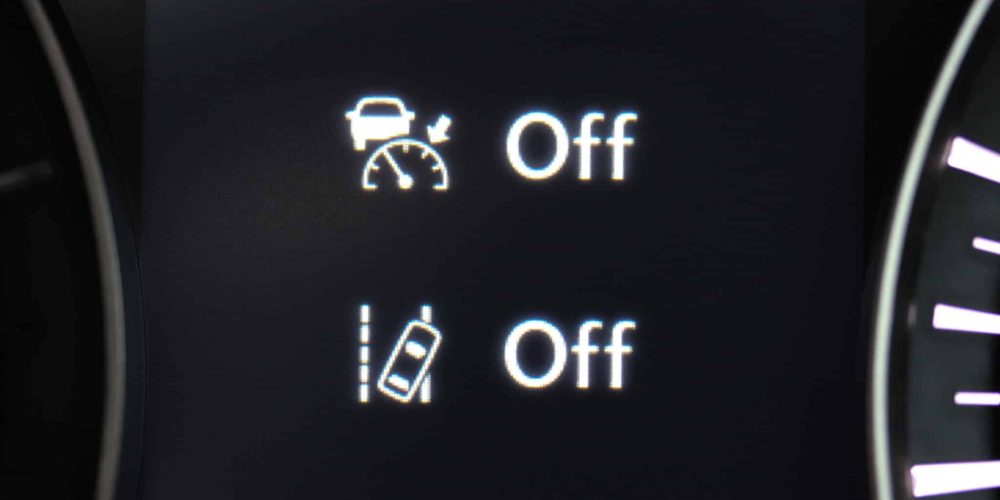
Seeing your lane departure warning light turn on can be unsettling, especially if you are not sure what triggered it or whether your safety systems are still working. Many drivers rely on features like lane keeping and steering assist every day, so when the warning light appears, it often raises immediate concern. What does the light actually mean? Is your vehicle still safe to drive? And how do you know if this is a simple fix or something that needs professional attention? If you have recently replaced your windshield, have a crack in your windshield in front or near the camera, or experienced anything that could affect the cameras mounted behind it, this warning may be your vehicle’s way of telling you that the system is no longer seeing the road correctly. Below, we will go through the most common reasons the lane departure warning light turns on, how to determine what might be causing the issue, and what steps you can take next to restore your safety features.
What Your Lane Departure Warning Light Actually Means
Your lane departure warning system is part of your vehicle’s broader Advanced Driver Assistance Systems (ADAS). It relies on cameras that are usually mounted behind the windshield to detect lane markings on the road. When everything is working properly, the system monitors your position within the lane and alerts you if you begin drifting without using a turn signal.
The warning light turns on when the vehicle detects that the system cannot reliably perform this function. It’s important to note that this does not always mean something is “broken.” Instead, the light indicates that the system’s inputs are compromised or that its internal self-checks have failed. Modern vehicles are designed to disable safety features rather than provide inaccurate assistance, which is why the warning appears.
There are a few specific conditions that the system is programmed to detect:
- Whether the camera has a clear and unobstructed view of the road.
- Whether lane markings are visible and recognizable.
- Whether the camera alignment matches factory specifications.
- Whether the system can accurately calculate vehicle position and trajectory.
If any of these conditions are not met, the vehicle turns the warning light on to notify the driver that lane departure assistance may be limited or unavailable.
Common Reasons Your Lane Departure Warning Light Turns On
Several factors can trigger the lane departure warning light, including environmental conditions, vehicle-related issues, and driver-related conditions.
Environmental factors
These are among the most common culprits and are often the least serious. Heavy rain, snow, fog, or glare from direct sunlight can temporarily prevent the camera from seeing lane markings clearly. Poorly maintained roads with faded or inconsistent striping can also confuse the system. In these cases, the light may turn off once driving conditions improve.
Windshield-related issues
Dirt, ice, condensation, stickers, or even dashboard reflections can interfere with the camera’s field of view. A windshield crack or chip near the camera housing can distort the image enough to disable the system.
Recent vehicle service or repairs
Windshield replacement is a major contributor because the camera must be calibrated after the glass is removed and reinstalled. Even if the windshield looks perfect, the camera position may be slightly off.
Impacts and alignment changes
If a vehicle hits a pothole, curb, or debris, the camera angles can shift without obvious external damage. Minor collisions that don’t deploy airbags can still affect sensor positioning.
User-generated factors
Aftermarket windshield tint, accessories mounted near the camera, suspension modifications, and altered ride height can cause issues. Any change that affects how the vehicle sits or how the camera sees the road can cause system errors.
As a general guideline, when you first notice your lane departure warning light is turned on, check your vehicle’s cameras to make sure nothing is obstructing their view. If they appear clean, a calibration may be necessary.
Will You Need ADAS Calibration With a Lane Departure Warning Light?
In many cases, yes. ADAS calibration is required whenever the camera’s alignment no longer matches the manufacturer’s specifications. Lane departure systems are extremely precise, often calibrated to fractions of a degree. Even a small deviation can cause inaccurate lane detection or delayed warnings.
Calibration is commonly needed after:
- Windshield replacement or repair: This can slightly alter the position or angle of forward-facing cameras mounted behind the glass. Even when the new windshield looks identical, tiny differences in thickness or mounting tolerances can affect how the camera detects lane markings and road edges.
- Front-end collisions: These collisions, including low-speed impacts, may shift sensors or brackets just enough to throw off measurements without leaving obvious damage.
- Suspension or wheel alignment work: This work changes the vehicle’s ride height and geometry, which directly affects how cameras and radar interpret their surroundings.
- Sensor or camera replacement: This procedure almost always requires calibration to synchronize the new component with the vehicle’s systems.
- Repeated lane departure warning errors: Repeated errors are often a sign that calibration has drifted over time, causing the system to misread lane markings or lose accuracy.
There are two main types of calibration: static and dynamic. Static calibration is performed in a controlled environment using targets and precise measurements, while dynamic calibration requires driving the vehicle under specific conditions so the system can relearn lane recognition.
Without calibration, the system may remain disabled or operate inconsistently. Because these systems influence steering, braking, and driver alerts, calibration is not something that should be skipped or delayed.
Why Ignoring the Warning Can Be Unsafe
Ignoring a lane departure warning light can create a false sense of security. While the vehicle may still drive normally, the safety systems you rely on may not function when you need them most. A misaligned camera can misinterpret lane markings, fail to detect drift, or provide delayed warnings.
In vehicles where lane departure works alongside other features, such as adaptive cruise control, collision avoidance, or emergency steering assist, a camera issue can reduce the effectiveness of multiple systems at once. This increases risk during highway driving, sudden lane changes, or emergency maneuvers.
Manufacturers design these systems to disable themselves rather than provide unreliable assistance. When the warning light is on, it is the vehicle’s way of telling you that it cannot guarantee accurate performance. Addressing the issue promptly helps your ADAS system to keep you safe on the road.
Learn More About Lane Departure Warning or Start Your Own ADAS Calibration Center
Your lane departure warning light is designed to alert you whenever the system senses that it cannot operate safely. In many cases, the cause is something simple, such as dirt on the windshield or poor weather conditions. However, if the light stays on or appears after a windshield replacement, a bump in the road, a minor collision, or routine service, your ADAS cameras may be out of alignment. When this happens, the system cannot track lane markings correctly, which means calibration is needed to bring everything back into proper working order. The safest next step is to have your vehicle inspected by a certified calibration technician who can evaluate the sensors and reset them to manufacturer standards. To make this easier, we created a resource that helps you locate trusted centers that specialize in ADAS calibration. Visit our ADAS Calibration Center Network page to schedule an appointment and get your safety features functioning the way they were intended.


